Authorship, AI Detection, and What a Cryptographic Certificate Actually Proves
False AI-detection flags have become one of the highest-stakes problems for English writers whose first language is not English. Detectors built around perplexity and burstiness do not measure whether a model wrote the text — they measure how predictable the text reads, and predictable is exactly what careful, textbook-correct ESL writing tends to look like. The result is a measurable bias: peer-reviewed research from Stanford documented that seven commercial detectors flagged 61% of essays from non-native English speakers as AI-generated even when every word was human-written.
This category collects what is actually known about that problem and what writers, students, and educators can do about it. It is not a hot-take channel. Every claim links to a court docket, a peer-reviewed paper, a university policy statement, or a verifiable source.
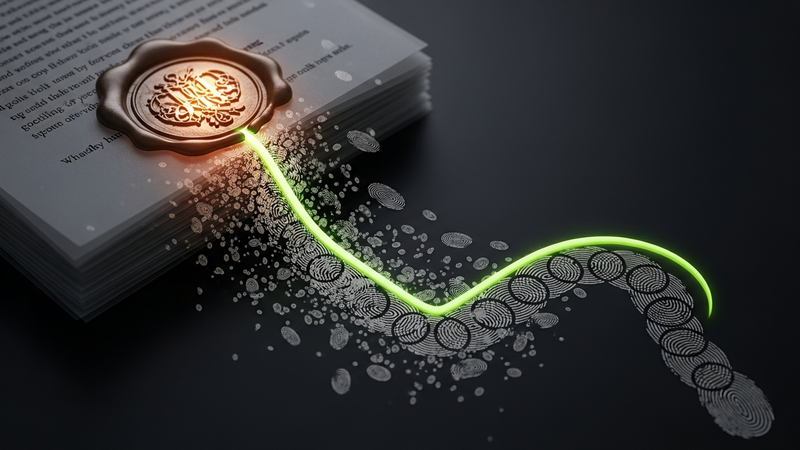
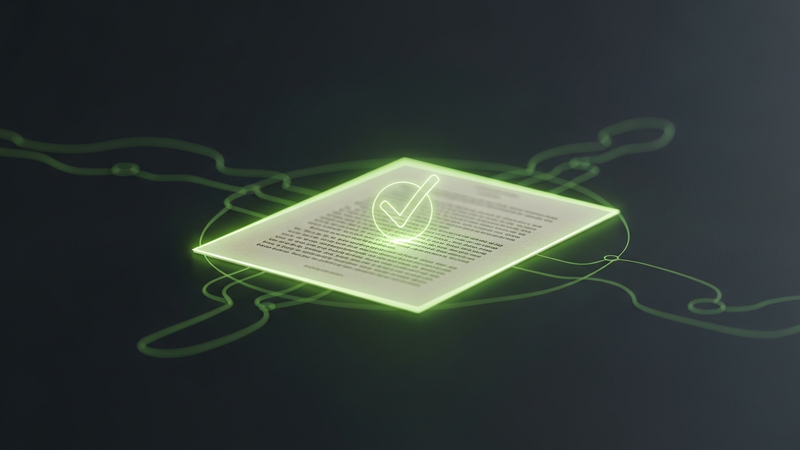
An Authorship Certificate is a different category of evidence than a detector verdict. A detector estimates probability after the fact. A certificate records the writing process as it happens — every edit, paste, and AI-assist becomes a signed event in a tamper-evident chain. When a teacher, editor, or admissions officer questions whether work is AI-generated, the writer shares a verification URL. The reviewer opens it, sees the chain of edits, and reads the cryptographic verdict — all without needing a Diglot account and without trusting Diglot as a notary. The signature is over the entire payload; if anything was altered the verdict reads INVALID.
The audience that gains the most from this body of work is the writer who is already doing the work correctly but lacks a way to prove it. International students writing graduate applications, ESL professionals drafting business email, scholars publishing in English-language journals, and creators whose long-form English work is built on careful translation from a first language — all of them produce the kind of text detectors over-flag. The Authorship Certificate gives that group standing evidence rather than asking them to defend themselves under suspicion.
The articles in this category are organized around five practical questions. What does current research actually show about detector bias against non-native English? Which universities have rolled back Turnitin AI detection and why? What have courts said when students have challenged AI-misconduct findings — and what is the federal litigation now underway? When a writer is falsely accused, what evidence carries weight with a reasonable decision-maker? And, on the product side, how does the cryptographic certificate work, what does it not claim to do, and how does it compare to alternatives like Google Docs version history or screen recording?
The legal landscape moved unusually quickly in 2025–2026. State and federal courts have begun reviewing AI-misconduct cases on their merits — Newby v. Adelphi in New York returned a ruling describing the university record as "devoid of reason"; the federal Doe v. PAUSD complaint is in active discovery as of Q2 2026; ESL plaintiffs are filing similar challenges at Yale and elsewhere. Universities are noticing: Vanderbilt, Waterloo, MIT, and others have published guidance pulling back from automated AI-detection enforcement. For ESL writers this is a structural shift, not a news cycle, and the articles here track it as it develops.
Ready to record your own writing with verifiable provenance? Open the Authorship Certificate page to see exactly what is recorded, how the signature works, and what a third-party reviewer sees on a verification URL. Every current plan can generate a public certificate at no extra charge, with no certificate limit for eligible documents. That is more useful preparation for an AI-flag conversation than waiting for one to happen.
Ready to put it into practice? Try Diglot's tool →